
Step-by-Step Guide to Bleeding Radiators
Bleeding radiators may sound a bit daunting if you’ve never done it before, but it’s actually a straightforward process that can significantly improve the efficiency of your heating system. By understanding and implementing this simple maintenance task, you can enhance the performance of your radiators, resulting in a warmer and more energy-efficient home. This guide will walk you through everything you need to know about bleeding radiators, ensuring a warm and cozy home throughout the colder months.
Regular maintenance of your heating system, such as bleeding radiators, not only helps in maintaining an even temperature across your home but also extends the lifespan of your radiators. With the right guidance and tools, you can perform this task with confidence, ensuring that your home remains comfortable and energy-efficient. By taking the time to care for your radiators, you’re investing in the long-term performance of your heating system.

Radiators are an essential part of many home heating systems, especially in the UK. Over time, air can become trapped in the radiator system, causing cold spots and reducing efficiency. When this happens, the radiator cannot fully heat up, which means your home won’t be as warm as it should be. The presence of trapped air also forces your boiler to work harder, potentially increasing energy consumption and utility bills. Bleeding your radiators removes the trapped air, allowing hot water to fill the entire radiator and heat your space effectively.
Moreover, regular bleeding of radiators can prevent long-term damage to the system. Air pockets not only hinder the heating efficiency but can also lead to corrosion within the radiator, affecting its longevity. Addressing the issue of trapped air proactively can save you from costly repairs and replacements in the future. By understanding the importance of this maintenance task, you can ensure the optimal performance of your heating system.
When Do Radiators Need Bleeding?
The best time to bleed radiators is at the start of the heating season, usually in the autumn, or whenever you notice cold spots at the top of the radiator while the bottom remains warm. This indicates trapped air that needs to be released. Additionally, if you hear gurgling or banging noises from your radiators, it may be time to bleed them. These sounds are often a clear indicator that air pockets are disrupting the smooth flow of water within the system.
It’s also advisable to check your radiators after any significant changes to your heating system, such as after installing a new boiler or radiator units. These changes can introduce air into the system, necessitating a bleed to restore optimal function. Regular inspections and timely bleeding can ensure that your heating system operates at peak efficiency, providing consistent warmth throughout your home.
Tools You’ll Need
Before you begin, gather the following tools:
- Radiator key or a flathead screwdriver (for some modern radiators)
- A cloth or small towel
- A container or bowl to catch water
Having these tools at hand will make the process quick and mess-free. It’s also a good idea to have a pair of gloves for added protection against any hot water that might escape during the process. Additionally, consider using an old newspaper or disposable cloths to protect your flooring from any accidental water drips or spills.
Ensuring you have the right tools before starting the bleeding process will help you perform the task efficiently and safely. Being prepared also means you can complete the job without unnecessary interruptions, ensuring a smooth and effective maintenance routine for your radiators.
How to Bleed a Radiator: Step-by-Step Instructions
Step 1: Turn Off the Heating

Before you start bleeding radiators, ensure your heating system is turned off. Bleeding radiators when the heating is on can cause hot water to spray out, which can be dangerous. By turning off the heating, you allow the water inside the radiator to cool down, reducing the risk of burns and ensuring that the air settles at the top of the radiator.
It’s also important to give the system a few minutes to cool down after switching it off. This cooling period ensures that any hot water and steam have dissipated, making the environment safer for you to work in. Taking this precautionary step can prevent accidents and make the bleeding process more manageable.
Step 2: Identify Which Radiator to Bleed First
Start with the radiator furthest from the boiler and work your way towards it. This method ensures that you are effectively removing air from the entire system, as air tends to accumulate in the radiators farthest from the boiler. If you live in a two-story house, begin with the downstairs radiators before moving upstairs.
This systematic approach helps maintain balance in the system’s pressure and ensures that each radiator is properly bled. By following this order, you can maximize the efficiency of your heating system and prevent air from getting trapped in any part of the network.
Step 3: Locate the Bleeder Valve
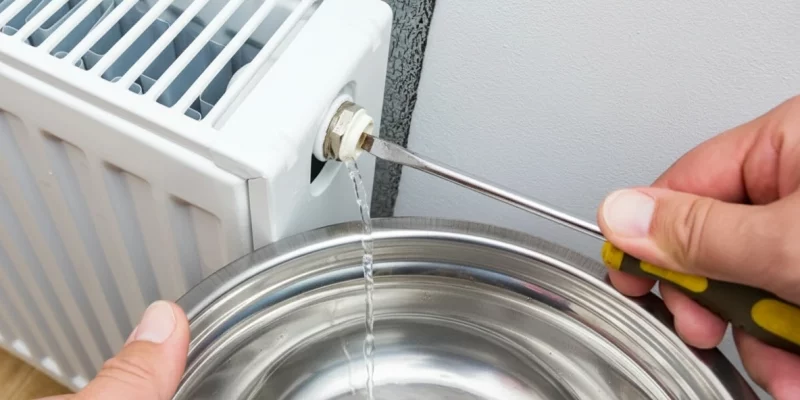
Each radiator has a small valve, usually at the top and side of the unit. This is the bleeder valve, which you’ll use to release trapped air. Use your radiator key or flathead screwdriver to fit into the valve. Familiarizing yourself with the location and appearance of the valve can save time and make the process smoother.
It’s also worth noting that some modern radiators have slightly different valve designs, so consulting your radiator’s manual can be helpful if you’re unsure. Understanding the valve’s mechanics will ensure you handle it correctly, avoiding any damage during the bleeding process.
Step 4: Place a Bowl and Cloth
Position a bowl or container under the valve to catch any water that may escape. Also, have a cloth ready to wipe away any drips and protect your hands from any hot water. The cloth also serves as a buffer to prevent any potential burns from hot surfaces or escaping water.
Using a larger container can be beneficial, especially if you are unsure of the amount of water that may be released. This precaution helps maintain cleanliness and ensures you can focus on the bleeding process without worrying about water damage to your floors or walls.
Step 5: Open the Valve
Turn the radiator key or screwdriver counterclockwise to open the valve slowly. You will hear a hissing sound as air escapes. Be cautious and open the valve just enough to allow the air to release without turning it too far. Listening for the hissing sound is crucial as it indicates that air is being expelled from the system.
Pay attention to the flow of air and water, and be ready to close the valve quickly if water starts to spray out. This step requires a bit of patience and attentiveness, ensuring that you release all trapped air while minimizing water loss.
Step 6: Close the Valve
Once the hissing stops and water begins to trickle out, close the valve by turning the key or screwdriver clockwise. Be sure not to over-tighten as this can damage the valve. Closing the valve securely but gently is important to prevent any leaks once the system is back in operation.
After closing the valve, it’s a good idea to wipe down the area to remove any remaining moisture. This helps maintain the appearance and condition of your radiator and surrounding area.
Step 7: Check the Pressure
After bleeding all the radiators in your home, it’s important to check your boiler’s pressure gauge. Bleeding radiators can cause a drop in pressure, which may need to be adjusted to ensure optimal performance. A well-maintained pressure level is crucial for the efficient operation of your heating system.
If you notice a significant drop in pressure, consult your boiler’s manual on how to re-pressurize the system. Maintaining the correct pressure ensures consistent heating and prevents potential issues with your boiler or radiators.
Step 8: Turn the Heating Back On
Once all radiators have been bled and the boiler pressure is correct, turn your heating system back on. Check the radiators for even heat distribution and listen for any unusual noises. This final inspection helps confirm that the bleeding process was successful and that your system is operating efficiently.
Should you notice any persistent cold spots or noises, it may indicate the need for further inspection or professional assistance. Regularly monitoring the performance of your radiators after bleeding can help you identify and address any issues promptly.
Tips for Successful Radiator Bleeding
- Bleed radiators hot or cold? Always bleed radiators when they are cold to avoid burns and ensure all air has settled at the top. This precaution helps create a safe working environment and ensures maximum efficiency during the bleeding process.
- How often should you bleed radiators? Ideally, bleed your radiators once a year, preferably before the heating season begins. Regular bleeding as part of your annual maintenance routine can prevent the buildup of air and ensure consistent heating performance.
- Bleeding radiators no hissing? If you don’t hear a hissing sound, there might not be any trapped air, or the radiator may need further inspection for blockages. This could be an indication of a more complex issue requiring professional attention.
Additional tips include keeping a maintenance log to track when each radiator was last bled and any issues encountered. This documentation can be invaluable for future reference and when consulting with professionals about your heating system.
Common Questions About Bleeding Radiators
How Long Does It Take to Bleed a Radiator?
Bleeding a radiator typically takes a few minutes per unit. The entire process for an average-sized home should take about an hour. However, the time required may vary depending on the number of radiators and their condition. Allowing adequate time ensures that each radiator is thoroughly bled and functioning optimally.
Taking your time during the bleeding process can prevent mistakes and ensure that each radiator is properly maintained. Patience and attention to detail are key to a successful and efficient maintenance routine.
Can You Bleed Radiators When the Heating Is On?
No, it is not safe to bleed radiators when the heating is on. Hot water can spray out and cause burns. Always ensure the system is off and the radiators are cool to the touch. This safety measure is crucial to prevent accidents and ensure your well-being during the bleeding process.
Moreover, turning off the heating system allows you to accurately assess the presence of air within each radiator, as the water will have settled, making it easier to release trapped air effectively.
What Does Bleeding a Radiator Do?
Bleeding a radiator releases trapped air, allowing hot water to fill the entire unit. This ensures your radiators heat efficiently and your home stays warm. The process helps maintain consistent heating and can reduce energy consumption by allowing your system to operate more efficiently.
Understanding the impact of bleeding radiators can help you appreciate the importance of this maintenance task in preserving the functionality and efficiency of your heating system.
Troubleshooting
If you’ve bled your radiators and still experience uneven heating or cold spots, there might be other issues at play, such as sludge build-up or a faulty pump. In such cases, it might be best to consult a professional heating engineer. Professional assistance can provide a thorough assessment and identify any underlying problems that may not be apparent during routine maintenance.
Regular professional inspections can complement your DIY efforts, ensuring that your heating system remains in top condition. By addressing issues promptly, you can prevent more serious problems and maintain a consistently warm and comfortable home environment.
Conclusion

Bleeding your radiators is a simple yet effective way to maintain your heating system’s efficiency. By following these steps, you can ensure your home remains warm and comfortable throughout the cold months. Regular maintenance, including annual radiator bleeding, will prolong the life of your heating system and save on energy bills. Remember, a little DIY maintenance can go a long way in keeping your home cozy and efficient.
Taking the time to perform regular maintenance not only contributes to a more comfortable living environment but also represents a proactive approach to home care. With this guide, you are equipped to handle radiator bleeding confidently, ensuring optimal performance and longevity for your heating system.