
Essential Tips for a Successful Kitchen Renovation
Embarking on a kitchen renovation is an exciting journey. It transforms the heart of your home into a space that reflects your style.
However, it can also be a daunting task. With so many decisions to make, it’s easy to feel overwhelmed.
Planning is key to a successful kitchen remodel. A clear vision and realistic budget set the foundation for your project.
Whether you’re in London or elsewhere, understanding the essentials can make all the difference. From layout to lighting, every detail matters.
This guide will provide you with essential tips to navigate your kitchen renovation with confidence.
Planning Your Kitchen Renovation: Where to Start
Starting a kitchen renovation in london can be overwhelming. The first step is to develop a clear plan. This involves deciding what you need and want from your new kitchen.
Consider how you use your kitchen. Functionality should drive your design choices. Think about your daily tasks, like cooking, cleaning, and entertaining.
List your top priorities. This might include new cabinets, upgraded countertops, or additional storage space. Having a prioritized list helps keep you focused.
Research different kitchen styles to find one that resonates with you. Modern, traditional, or transitional styles offer varying aesthetics and functional elements.
Begin creating a layout with these elements in mind. Use online tools to visualize potential designs and configurations. This can help in making decisions:
- Identify your main goals for the renovation.
- Consider the kitchen’s workflow and functionality.
- Choose a style that complements your home.
- Prioritize essential features in your design.
- Use design tools for a visual representation.
Starting with a solid plan sets the foundation for a smoother renovation process. It allows you to move forward with confidence and clarity.

Setting a Realistic Budget and Timeline
A successful kitchen renovation hinges on a well-planned budget. Begin by researching costs associated with your desired upgrades. Include everything from materials to labor.
Once you have gathered these estimates, establish a budget with some flexibility. Unforeseen expenses can arise during the renovation. Allocate funds accordingly to accommodate these potential issues.
The timeline is another critical aspect. Be realistic about how long each phase will take. Speak with professionals or use past experiences as a guide for setting timeframes.
Creating a detailed timeline helps keep your project on track. Factor in time for permits, ordering materials, and unexpected delays. This approach minimizes disruptions to your daily life:
- Research costs for each renovation phase.
- Set a flexible budget to manage unforeseen expenses.
- Establish a realistic timeline for project completion.
- Account for delays and specific time requirements.
- Regularly review progress to ensure adherence.
By carefully planning your budget and timeline, your kitchen renovation is less likely to go off course. This preparation ensures that you achieve the desired outcome without unnecessary stress.
Designing for Functionality and Style
When designing your kitchen, balance functionality with style. Consider how you use your kitchen daily. This will guide your layout choices.
The workflow triangle concept is essential. Arrange the sink, stove, and refrigerator for easy movement. This setup enhances efficiency and convenience during cooking.
Selecting a kitchen style is an important decision. Choose between modern, traditional, or transitional designs. Keep the design cohesive with the rest of your home for harmony.
Create a list of must-have features and elements to incorporate. Think about modern conveniences and your personal tastes. This list helps prioritize essential design components:
- Use the workflow triangle for efficient movement.
- Select a kitchen style that complements your home.
- Prioritize must-have features based on personal preferences.
Adding personal touches can make your space unique. Consider a statement backsplash or unique hardware. These elements reflect your personality and add visual interest.
Functionality and style go hand in hand with kitchen design. Thoughtful planning ensures that your renovated kitchen is not only beautiful but also practical. Focus on these aspects to create a space you love to cook and entertain in.

Choosing Materials and Finishes
Materials and finishes define your kitchen’s look and feel. They also impact durability and maintenance. Choose wisely for lasting results.
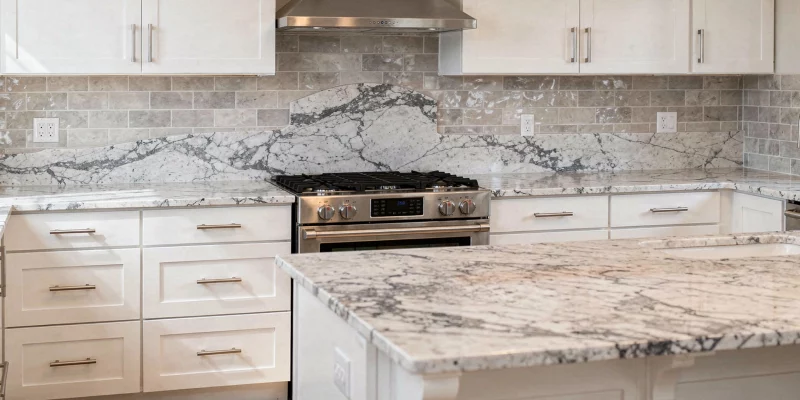
Consider practicality when selecting surfaces. Opt for durable, easy-to-clean materials like quartz or granite for countertops. These choices help withstand daily wear and tear.
Flooring is equally vital in kitchen renovations. Choose materials that are hard-wearing and resistant to spills. Options like tile or hardwood offer both style and functionality.
When choosing finishes, balance style and upkeep. Think about how colors and textures fit into your overall design scheme. Create a cohesive yet striking look with thoughtful selections.
- Select durable materials for countertops, like quartz.
- Choose flooring materials that resist spills and wear.
- Balance finishes with style and maintenance in mind.
Small details like cabinet handles or light fixtures also make a big impact. These elements can pull together your kitchen’s aesthetic. Spend time exploring various options to find the perfect match.
Maximizing Storage and Space
Optimizing storage is crucial in kitchen renovations. Proper planning can transform even the smallest kitchen into a functional space. Start by assessing your current storage needs and issues.
Consider innovative storage solutions to make the most of available space. Think about pull-out shelves, deep drawers, and corner cabinets. These additions can significantly boost storage efficiency and accessibility.
Don’t overlook vertical spaces in your kitchen. Use open shelving or ceiling-high cabinets to store infrequently used items. This approach keeps countertops clutter-free and enhances the kitchen’s overall appearance.
- Assess current storage needs and challenges.
- Consider pull-out shelves and deep drawers.
- Utilize vertical space with open shelving or tall cabinets.
Creative storage solutions not only help with organization but also add aesthetic value. Smart planning ensures your kitchen is both practical and stylish.
Lighting, Ventilation, and Appliances
Lighting sets the mood in any kitchen. It’s essential to incorporate a mix of lighting types. Consider task lighting under cabinets, ambient ceiling lights, and decorative fixtures for style.
Ventilation is often overlooked but plays a key role in maintaining air quality. Ensure your kitchen has efficient ventilation. A well-placed range hood can help prevent smoke and odors from lingering.
- Mix task, ambient, and accent lighting.
- Ensure effective kitchen ventilation.
- Invest in energy-efficient appliances.
Select appliances that fit your kitchen’s needs and design. Energy-efficient appliances not only save on utility bills but also reduce your environmental footprint. Research various models to ensure they align with your kitchen’s layout and your cooking habits.
Remember, investing time in selecting the right lighting, ventilation, and appliances can greatly enhance the kitchen’s usability and atmosphere. Thoughtful choices in these areas ensure a kitchen that’s functional and aesthetically pleasing.
Hiring Professionals vs. DIY: What to Consider
Deciding between hiring a professional and doing it yourself depends on various factors. Assess your skills, the project’s complexity, and the time you can devote. While DIY can save money, it may increase risks and take longer if done incorrectly.
For a complex kitchen remodel, hiring skilled professionals is often the best choice. They bring expertise and can navigate unforeseen challenges. Their knowledge ensures quality and compliance with local codes.
- Assess your skill level honestly.
- Consider the scope and complexity.
- Factor in time constraints and potential delays.
Ultimately, weigh the advantages of professional guidance against the savings of a DIY approach. Balance your budget with the desire for a high-quality outcome. A well-executed project, whether DIY or not, promises long-term satisfaction.
Navigating Permits, Regulations, and Safety
Before starting your kitchen renovation, understanding permits and regulations is crucial. Ignoring legal requirements can result in costly penalties. Always check with your local authorities about specific requirements.
Safety during renovation is equally important for everyone involved. Follow guidelines to prevent accidents and ensure a smooth process. It’s also wise to communicate safety protocols to all workers and family members.
- Contact local building offices for necessary permits.
- Ensure adherence to safety codes.
- Clearly communicate safety procedures to everyone involved.
By adhering to these steps, you will ensure your kitchen remodel proceeds smoothly without legal or safety complications.
Sustainable and Eco-Friendly Kitchen Renovation Tips
Embracing sustainability in your kitchen renovation is both trendy and responsible. Opt for eco-friendly materials and energy-efficient appliances. These choices can save you money and are kinder to the environment.
Consider recycling old materials instead of disposing of them. This reduces waste and adds a unique character to your new kitchen. Small changes can make a big difference.
- Use recycled or sustainably sourced materials.
- Install energy-efficient lighting and appliances.
- Choose low-VOC paints and finishes.
By integrating these eco-friendly practices, you contribute positively to the environment and create a healthier home.
Managing the Renovation Process and Avoiding Common Pitfalls
A smooth renovation requires managing timelines and expectations. Maintain open communication with your contractor and track progress regularly. Doing so helps in addressing issues early and preventing costly mistakes.
To avoid common pitfalls, be flexible with plans and ready for surprises. Unforeseen challenges are part of most remodels, so prepare for budget adjustments.
- Keep an updated checklist of tasks.
- Communicate effectively with all parties involved.
- Prepare for unexpected expenses.
Staying organized and proactive minimizes disruptions and keeps the project on track, ensuring a more successful outcome.
Final Touches: Personalization and Adding Value
Once the major work is complete, focus on details that make your kitchen unique. Personal touches can elevate the space’s design and add charm.
Consider these elements for personalization:
- Unique hardware for cabinets and drawers
- A statement backsplash that reflects your style
- Decorative lighting fixtures that add interest
These final touches not only express your personality but can also enhance your home’s overall value. Balancing aesthetics with functionality ensures a kitchen that’s both beautiful and practical.
Conclusion: Enjoying Your New Kitchen
After weeks or months of planning and hard work, your kitchen renovation is finally complete. Take time to appreciate the transformation and functionality of your new space.
Celebrate this achievement with a special meal or gathering with loved ones. A well-designed kitchen enriches everyday life and inspires joyful moments. Enjoy cooking and entertaining in your beautiful, updated kitchen. With thoughtful planning, your renovation not only improves your home but also enhances your quality of life.