
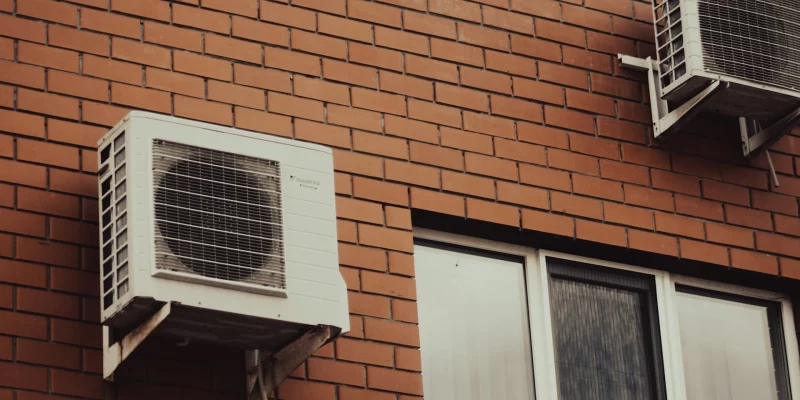
Energy Efficiency in Air Conditioning Systems
In today’s world, where energy conservation is crucial, making your air conditioning system more energy-efficient can significantly reduce your electricity bills and carbon footprint. Energy-efficient AC systems not only lower your energy consumption but also contribute to a more sustainable environment by decreasing greenhouse gas emissions. This guide will explore various options, including portable AC units, bedroom-specific air conditioners, and top-rated home AC units, offering insights into their functionality and benefits. We’ll also discuss what to consider when purchasing an air conditioning unit for your home, ensuring you make an informed decision that aligns with your energy-saving goals.

Air conditioning systems come in various types, each suited for different needs and spaces. Understanding these differences is the first step in choosing the right system for your home. The choice of an air conditioning system can impact not only your comfort but also your energy consumption and monthly utility bills. By familiarizing yourself with the different types of systems available, you can select one that meets your specific requirements while optimizing energy efficiency.
<h3″>Types of Air Conditioning Units
- Central Air Conditioning: Ideal for cooling large homes, central air conditioning systems use ducts to distribute cool air throughout the house. These systems are efficient for maintaining a consistent temperature across multiple rooms, making them a popular choice for family homes. However, the installation and maintenance of ductwork can be costly, requiring careful consideration.
- Room-to-Room Air Conditioners: These units are designed to cool specific rooms and are perfect for homes without ductwork. They offer flexibility in cooling individual spaces, allowing for energy savings by not cooling unoccupied areas. Room-to-room air conditioners are relatively easy to install and can be a cost-effective solution for smaller living spaces.
- Portable Air Conditioners: Portable AC units are versatile and can be moved from one room to another. They are great for small spaces or bedrooms and offer an immediate cooling solution without the need for permanent installation. Their mobility makes them an excellent choice for renters or those who need a temporary cooling option.
- Split Systems: These systems consist of an outdoor compressor and an indoor unit, providing efficient cooling without the need for ductwork. Split systems are known for their quiet operation and energy efficiency, making them suitable for homes where duct installation is impractical. They can also be customized to cool different zones within a home, offering tailored comfort.
- Window Units: Installed in windows, these units are common in apartments and smaller homes. Window units are generally more affordable than other types of air conditioners and can be installed with minimal effort. Despite their simplicity, they can effectively cool small to medium-sized rooms, though they may not be as energy-efficient as split systems.
Benefits of Energy-Efficient Air Conditioners
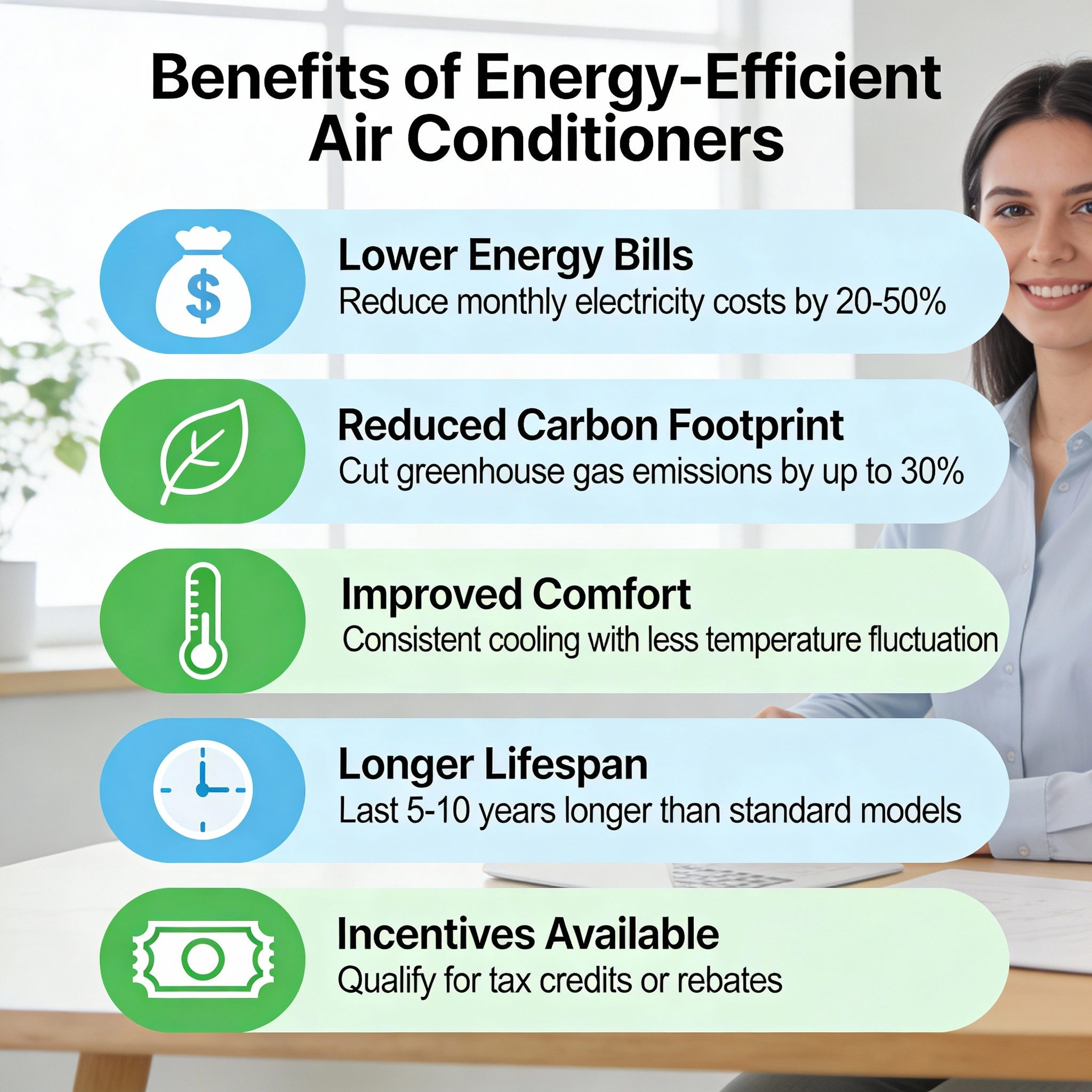
Choosing an energy-efficient air conditioning unit has several benefits that extend beyond mere cost savings:
- Reduced Energy Bills: Energy-efficient units use less electricity, which translates to lower monthly bills. Over time, the savings on electricity can offset the initial investment in a high-efficiency system, making it a financially sound choice.
- Environmental Impact: These systems consume less power, reducing your overall carbon footprint. By opting for energy-efficient air conditioning, you contribute to the global effort to combat climate change, as decreased energy consumption leads to reduced greenhouse gas emissions.
- Improved Comfort: Energy-efficient units often provide better temperature control, ensuring a comfortable environment. Advanced features such as programmable thermostats and inverter technology allow for precise temperature management, enhancing comfort while conserving energy.
Key Features of Efficient Air Conditioning Units
When looking for an energy-efficient air conditioner, consider the following features that can enhance performance and savings:
- Energy Star Rating: Look for units with an Energy Star certification, which ensures they meet energy efficiency guidelines. These units are tested and verified to save energy without sacrificing functionality or performance.
- Inverter Technology: This technology allows the unit to adjust its speed and power according to the room’s temperature, conserving energy. Inverter air conditioners are known for their ability to maintain a consistent temperature, reducing the need for frequent on-off cycling that can waste energy.
- Programmable Thermostats: These allow you to set specific temperatures for different times of the day, optimizing energy use. With a programmable thermostat, you can adjust the cooling schedule to match your daily routine, ensuring comfort when needed and saving energy when the room is unoccupied.
Choosing the Right AC for Your Home
Portable Air Conditioning Units
Portable AC units are a flexible solution for cooling specific rooms without the need for permanent installation. They are ideal for renters or those needing an occasional cooling option. Portable units are particularly useful in spaces where traditional air conditioning systems are not feasible, providing a convenient and adaptable cooling solution.
Portable air conditioners are typically equipped with wheels, making them easy to move from one location to another. This mobility allows users to target cooling efforts to occupied areas, enhancing energy efficiency. Additionally, most portable units come with a window kit for venting hot air, ensuring efficient operation.
Factors to Consider
When selecting a portable air conditioner, several factors should be taken into account to ensure optimal performance and satisfaction:
- BTU Rating: The British Thermal Unit (BTU) rating determines the unit’s cooling capacity. For small bedrooms, a unit with a lower BTU rating suffices. However, for larger spaces, a higher BTU rating is necessary to ensure effective cooling.
- Noise Levels: If you plan to use the unit in a bedroom, opt for a quiet aircon unit to avoid disturbances during sleep. Many modern portable air conditioners are designed with noise reduction features, making them suitable for nighttime use.
- Ease of Installation: Portable units should be easy to set up and move between rooms. Look for models with user-friendly installation kits and clear instructions to facilitate hassle-free setup.
Bedroom Air Conditioning
When selecting an air conditioner for the bedroom, you must consider factors like noise, size, and efficiency. A well-chosen bedroom air conditioner can enhance sleep quality by maintaining a comfortable temperature throughout the night.
Top Considerations
To ensure restful sleep and efficient cooling, keep these considerations in mind:
- Quiet Operation: A quiet air conditioner ensures a peaceful night’s sleep. Models with low decibel ratings or sleep modes are ideal for minimizing noise distractions.
- Compact Size: A small bedroom AC unit saves space while providing adequate cooling. Compact units are less obtrusive and can be easily integrated into a bedroom’s layout without sacrificing aesthetics.
- Energy Efficiency: Choose a unit with high energy efficiency to reduce electricity costs. Energy-efficient models often include features like sleep mode and programmable timers to further enhance savings.
Cost Considerations

How Much is an Air Conditioning Unit?
The cost of an air conditioning unit varies based on type, size, and features. Here’s a rough guide to help you budget for your purchase:
- Portable AC Units: Typically range from $200 to $600, depending on the features and BTU rating. These units offer a cost-effective solution for temporary or supplementary cooling needs.
- Window Units: Cost between $150 to $500, generally less expensive than portable units. Window units are a budget-friendly option for those who need to cool a single room or small apartment.
- Split Systems: Prices can range from $500 to $2,000 or more, depending on the model and installation costs. While the upfront cost is higher, split systems offer superior energy efficiency and performance.
- Central Systems: These are the most expensive, with prices ranging from $3,000 to $7,000, including installation. Central air conditioning systems are a worthwhile investment for large homes, providing comprehensive cooling and increased property value.
Additional Costs
Beyond the initial purchase price, consider these additional costs that may arise:
- Installation: Some units, like split systems and central air, require professional installation, adding to the initial cost. Professional installation ensures proper setup and optimal performance, which can prevent costly repairs down the line.
- Maintenance: Regular maintenance is essential to keep your unit running efficiently and can incur additional costs over time. Investing in routine maintenance, such as filter replacements and system inspections, can prolong the lifespan of your unit and enhance energy savings.
Best Practices for Energy Efficiency
To ensure your air conditioning unit operates efficiently, follow these best practices for maintenance and usage:
Regular Maintenance
Regular maintenance is crucial for maintaining the efficiency and longevity of your air conditioning unit:
- Clean Filters: Dirty filters can reduce efficiency. Clean or replace them every few months to ensure unobstructed airflow and optimal cooling performance.
- Check for Leaks: Ensure there are no leaks in the ducts or the unit itself, as they can decrease efficiency. Leaks can result in energy loss and increased utility bills, so regular inspections are important.
- Professional Servicing: Schedule annual check-ups with a professional to maintain optimal performance. A professional can identify potential issues early on, preventing costly repairs and ensuring your system operates at peak efficiency.
Smart Usage
Implementing smart usage strategies can further enhance energy efficiency and comfort:
- Use Ceiling Fans: Fans help circulate the air, allowing you to set the AC at a higher temperature without sacrificing comfort. Ceiling fans can complement your air conditioning system, reducing the need for intensive cooling.
- Close Blinds and Curtains: Blocking sunlight during the day can keep your home cooler, reducing the load on your AC unit. This simple step can significantly lower energy consumption and improve indoor comfort.
- Seal Gaps: Ensure windows and doors are properly sealed to prevent cool air from escaping. Proper sealing enhances the efficiency of your air conditioning system by maintaining a stable indoor temperature.
Conclusion
Incorporating energy efficiency into your air conditioning strategy can lead to significant savings and a more sustainable home. Whether you opt for a portable aircon unit for a small bedroom or invest in a top-rated home AC unit, understanding your options and their benefits is key. By selecting the right air conditioning unit and following best practices for maintenance and usage, you can enjoy a comfortable home environment while minimizing energy consumption and costs. Remember to consider factors like BTU rating, noise levels, and energy efficiency ratings when choosing the best air conditioner for your needs. Making informed decisions about your air conditioning system not only enhances comfort but also contributes to a greener planet, reflecting a commitment to environmental stewardship and responsible energy use.